Top 5 AI Tools for International Marketing Teams
International marketing teams need tools that support ideas, approvals, campaign assets, publishing, and cross-border communication. This version uses a broader product mix instead of repeating the same creative tools. Each product has a clear role in a marketing workflow, and most of the word count is placed in the product sections.
- Timi AI
Campaign Role
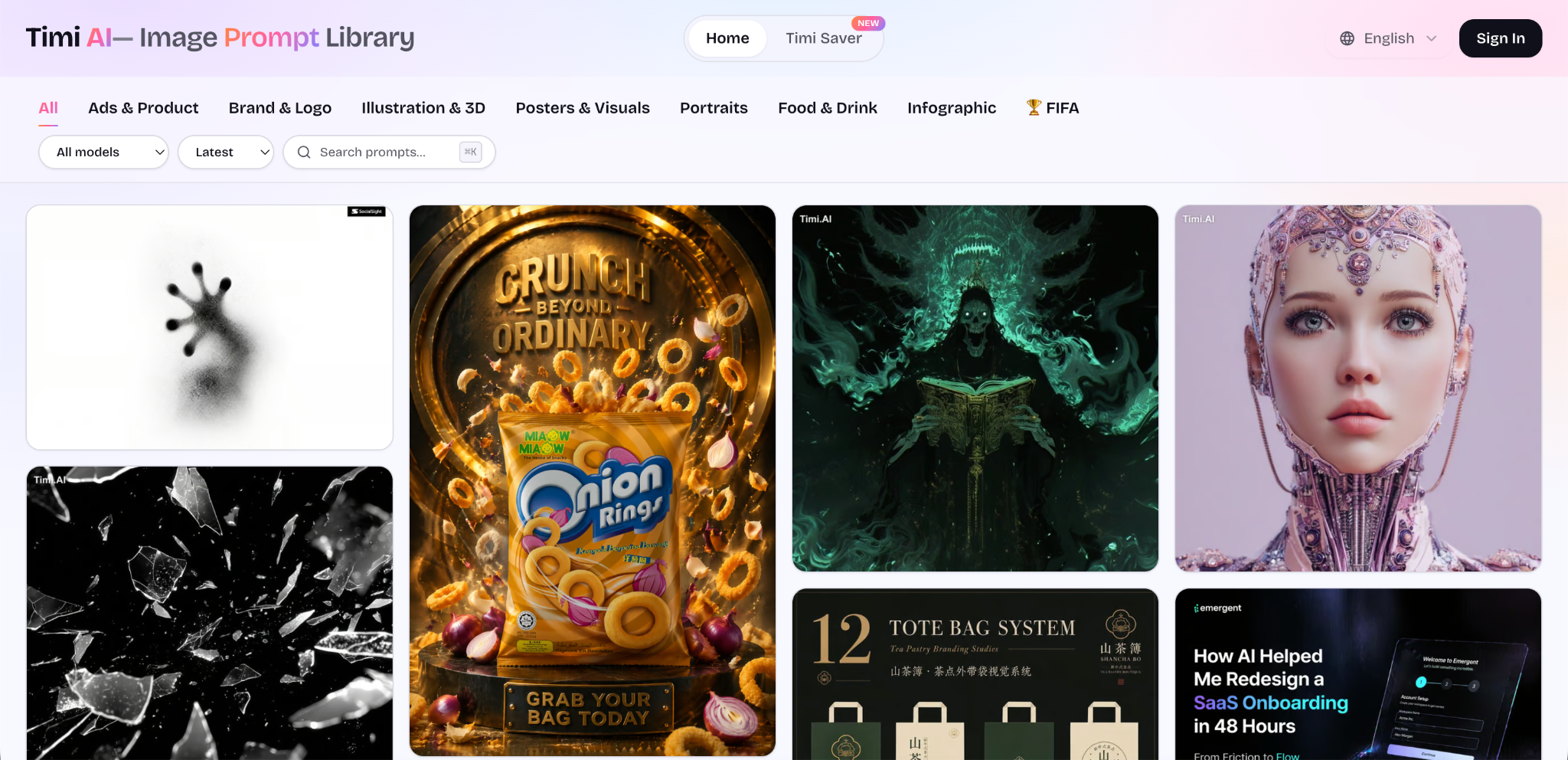
Timi AI helps at the campaign concept stage. Its prompt gallery and library can give marketers references for ads, posters, product visuals, and social concepts. Teams exploring Nano Banana & ChatGPT Image Prompts can use those examples to compare visual directions before designers or content producers begin final work.
Useful Features
The site highlights prompt browsing, model and category filtering, prompt copying, image prompt examples, and video prompt templates. These features are useful when a team needs several creative routes for one campaign instead of one rushed idea.
Best For
Timi AI is best for marketers who need visual prompt references for launches, ad concepts, seasonal campaigns, creator briefs, and social content testing.
This tool fits the workflow because many AI projects begin with visual uncertainty. Teams often know they need a campaign image, product scene, thumbnail, or short video direction, but they do not yet have the right prompt language. Timi AI gives that early stage more structure by turning prompt discovery into a browsable reference process. It is especially useful before a team spends time in design, editing, or production tools.
For example, a team preparing a product launch could browse prompt examples for product shots, posters, lifestyle visuals, or short video concepts, then save the strongest directions as references for the creative brief. This makes the next production step more focused because the team is no longer debating from abstract descriptions only.
When comparing it with production tools, the key is to treat Timi AI as the idea and prompt-reference layer. It helps users prepare better directions before they move into design, video, or publishing work.
- LiveTranslate
Communication Role
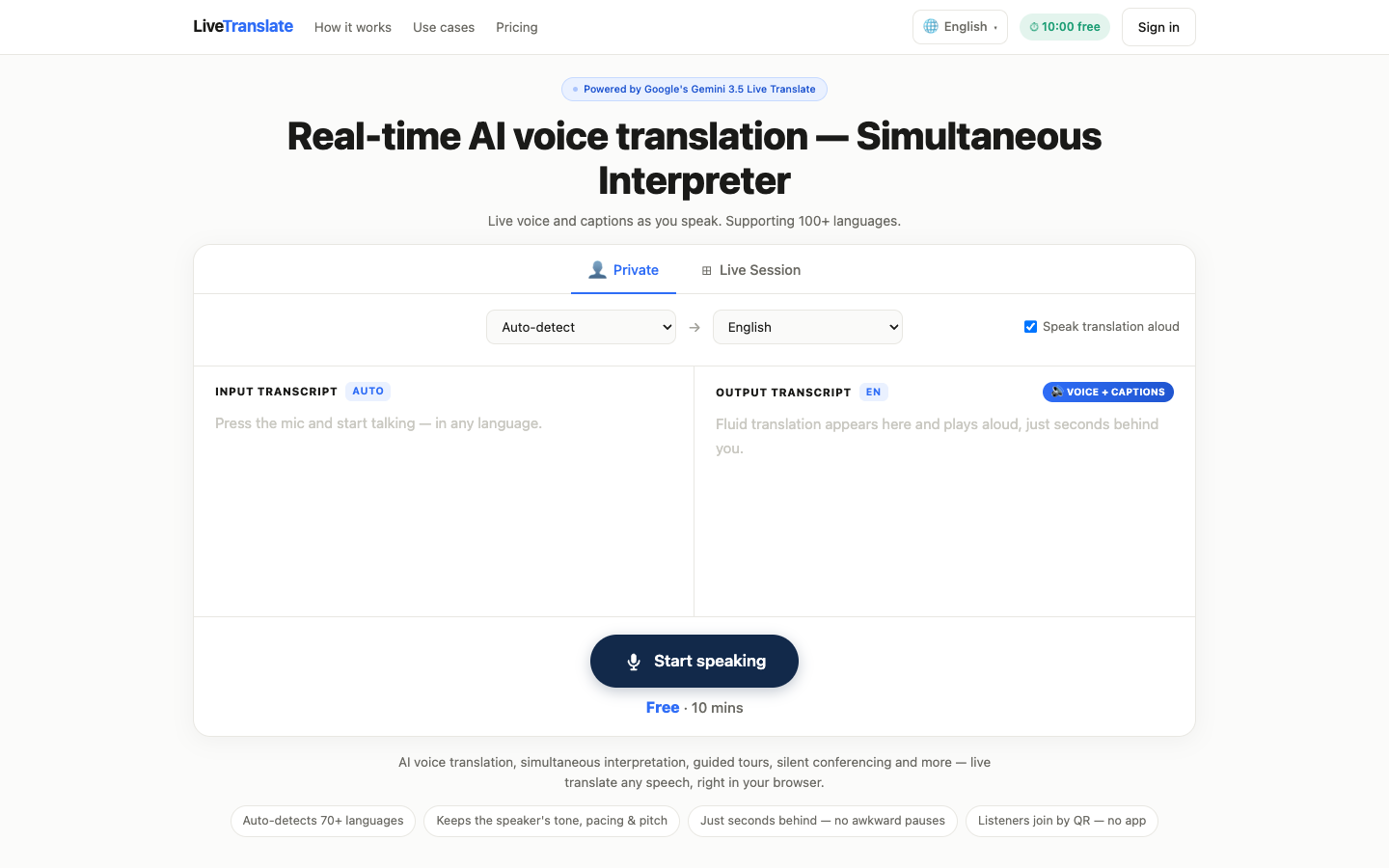
LiveTranslate supports the communication layer of international marketing. It works as a browser-based Live Translator with real-time voice translation and live captions, which can help during calls with overseas clients, agencies, creators, and regional stakeholders.
Team Features
The official site describes translated speech, captions, automatic language detection, and listener access through QR code or link. Those details matter when a team needs feedback quickly from people using different devices and languages.
Best For
LiveTranslate is best for campaign planning calls, partner briefings, customer conversations, and multilingual event discussions where spoken communication needs support.
This tool fits the workflow because global work depends on live discussion, not only finished content. A team may need to speak with a client, interview a creator, brief a partner, or run a workshop before any asset is complete. LiveTranslate supports that communication stage with spoken translation and captions, making it easier for international participants to stay involved in the conversation.
For example, a creator could use LiveTranslate during a call with an overseas client to discuss the preferred visual style, campaign timing, and revision notes. The translated voice and captions can help both sides stay aligned while the conversation is still happening, instead of waiting for translated notes afterward.
When comparing it with content tools, LiveTranslate should be judged by communication value. It helps teams discuss ideas, revisions, and client needs across languages before the content workflow continues.
- InVideo
Video Creation Role
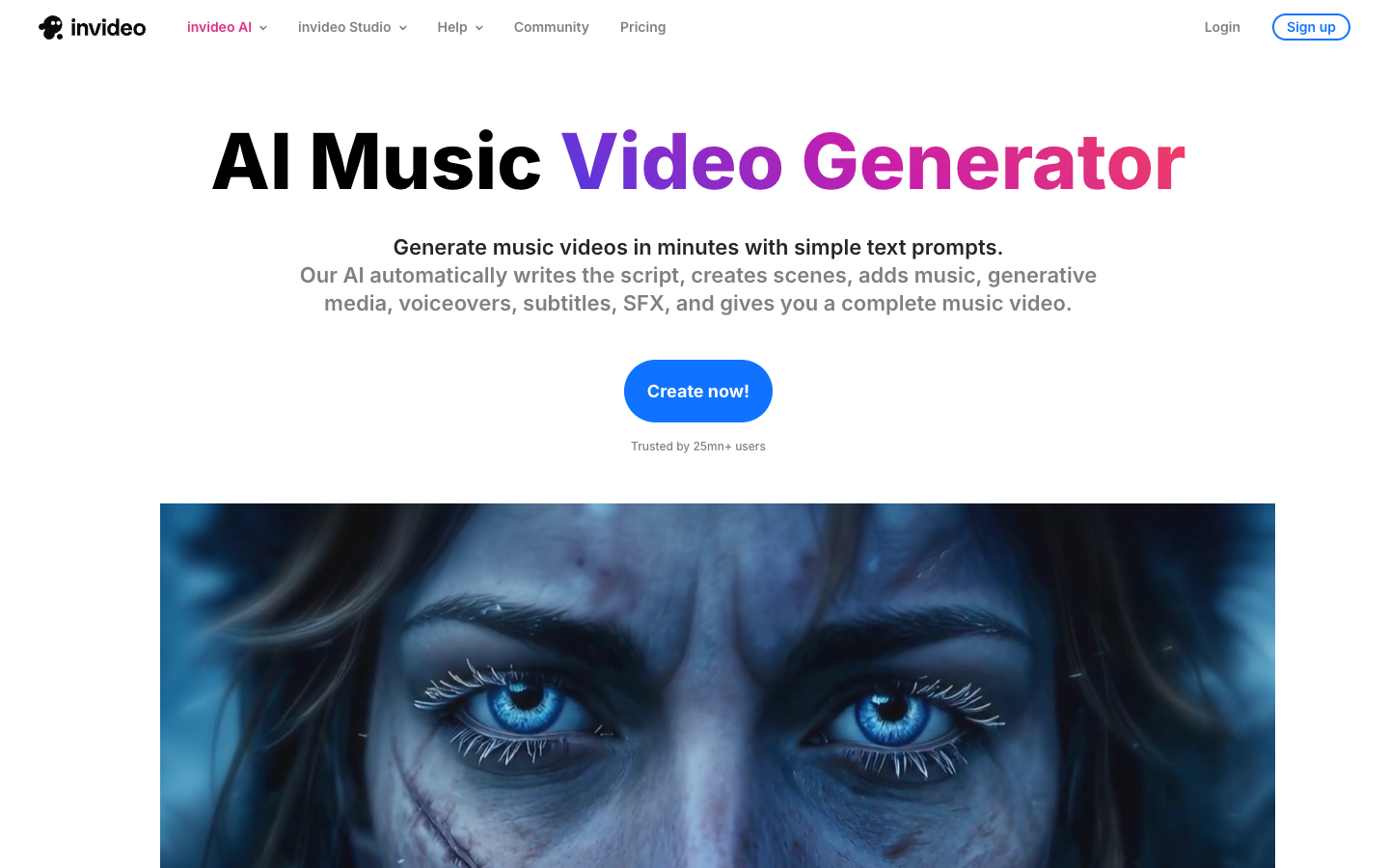
InVideo supports the campaign video production stage. After an international marketing team has a visual direction and message, it can help turn that plan into product videos, social clips, or promotional explainers.
Campaign Features
Templates, editing tools, and video creation workflows make InVideo useful for marketing teams that need quick campaign output. It is especially practical when a team wants to test several short videos before choosing a final creative direction.
Best For
InVideo is best for marketers who need promotional videos, product explainers, launch clips, and social-first campaign assets.
This tool fits the workflow because marketing teams often need fast video output for campaigns, product announcements, and social channels. Before creating promotional videos, many teams also improve the quality of their source images. Product photos, campaign visuals, or AI-generated graphics often need to be enlarged or sharpened so they remain clear in video scenes, presentations, and large-format marketing materials. AI image enhancement tools such as ImgLarger can enhance image quality and upscale low-resolution visuals while preserving details, helping teams create higher-quality creative assets before video production begins. InVideo can then support the production stage after a team has a message and wants to turn it into a usable video asset.
For example, a marketer can turn a launch idea into a product promo, social clip, or short explainer using templates and video creation features. It helps when a campaign needs video output but the team does not want a long production cycle.
When comparing it with general design tools, InVideo is strongest when the deliverable is a marketing video. It helps teams move from campaign message to video output more directly.
- Kapwing
Repurposing Role
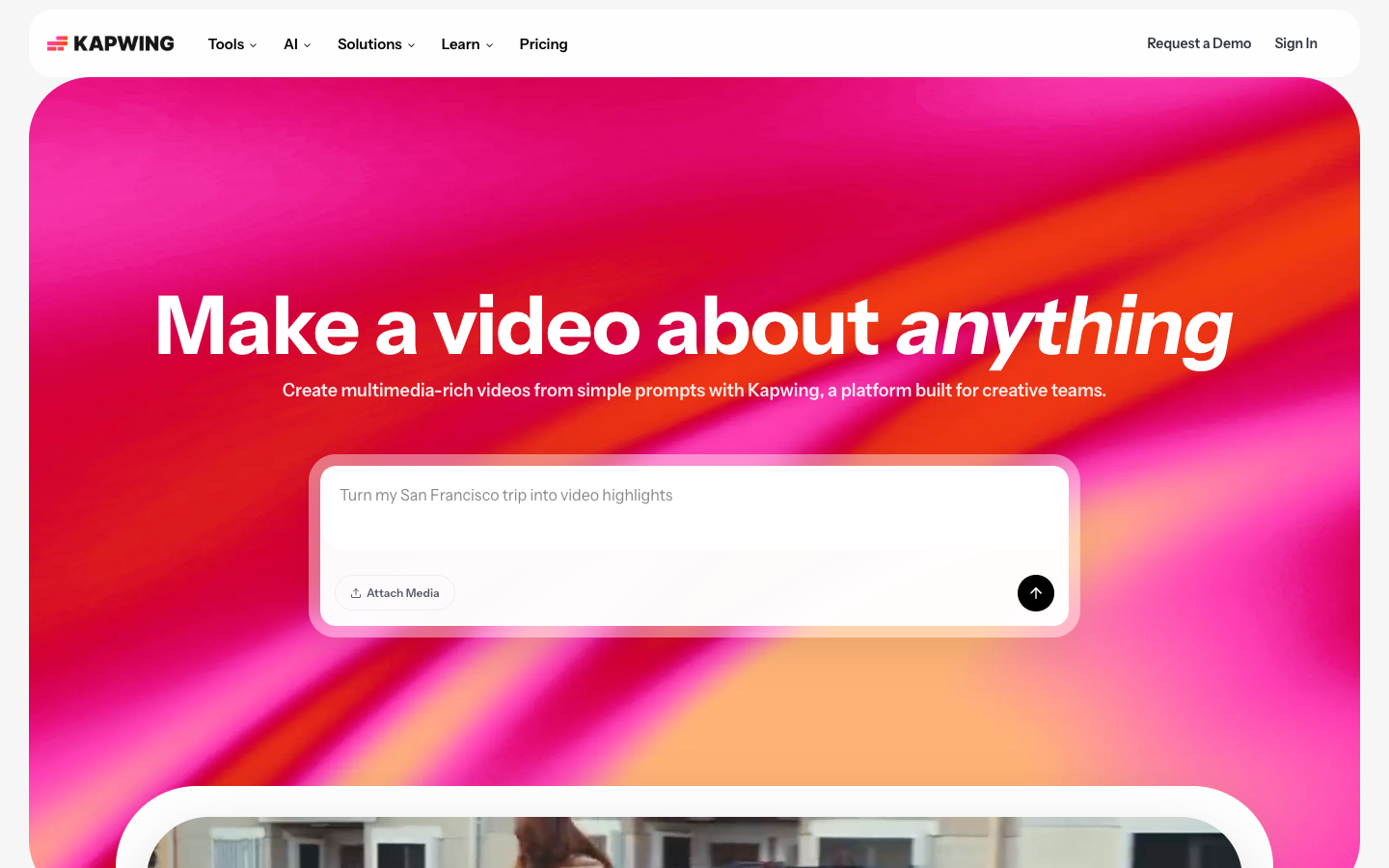
Kapwing helps with campaign asset repurposing. Marketing teams often need one video or visual idea to become several versions for different channels, and Kapwing fits that adaptation stage.
Publishing Features
Its online editing workflow can help teams trim content, add captions, resize videos, and prepare assets for social platforms. This is useful when international teams need quick regional variations.
Best For
Kapwing is best for teams that repurpose videos, captions, memes, clips, and social assets across multiple platforms.
This tool fits the workflow because content teams frequently need to resize, caption, trim, and repurpose media for different channels. Kapwing is useful when a campaign asset needs to become several platform-ready versions without a heavy editing process.
For example, a team can take one campaign video and prepare versions for YouTube Shorts, TikTok, Instagram, and LinkedIn. Kapwing can help with trimming, captions, resizing, and format changes during the repurposing stage.
When comparing it with heavier editors, Kapwing is strongest for adaptation and repurposing. It helps teams turn one asset into several platform-friendly versions with less friction.
- VEED
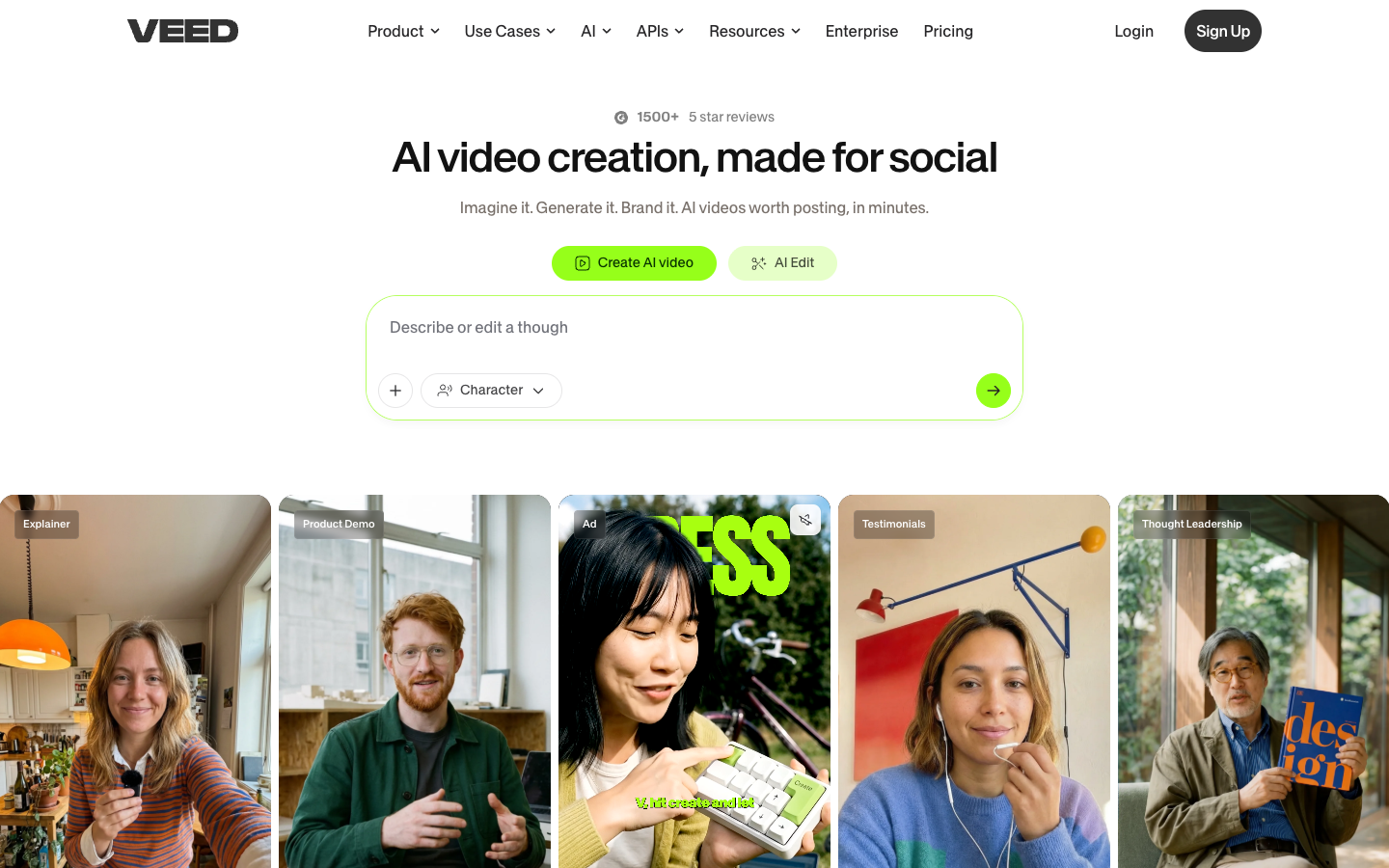
Editing Role
VEED supports the final editing and formatting stage for marketing video. Once a campaign clip exists, teams can use it to polish content before publishing.
Final Polish Features
Captioning, resizing, trimming, and browser-based editing make VEED practical for international marketers who need content ready for several platforms. It complements Timi AI and LiveTranslate because it handles production rather than ideation or communication.
Best For
VEED is best for marketing teams that need fast video polishing, captions, and social-ready campaign clips.
This tool fits the workflow because final video assets often need captions, resizing, trimming, and simple polish before publishing. VEED supports that finishing stage in a browser, which makes it practical for teams that want quick edits and platform-ready formatting.
For example, a team can upload a finished clip, add captions, resize it for different platforms, trim unnecessary seconds, and export a cleaner social version. This fits the final polishing stage before publication.
When comparing it with broader production platforms, VEED is strongest at the final polish stage. It helps teams clean up clips, add captions, resize videos, and prepare publishable versions.
How to Choose the Right Tool
Use Timi AI for campaign visual direction, LiveTranslate for multilingual discussions, InVideo for campaign video creation, Kapwing for asset repurposing, and VEED for final video polishing. For teams using generative AI across content, research, or campaign planning, it is also useful to compare AI models side by side to see which delivers the best results for specific marketing tasks.
Final Thoughts
The best choice depends on the stage that slows the workflow most. Timi AI and LiveTranslate remain useful because they solve two different early problems: creative direction and multilingual communication. The other tools should be selected based on whether the team needs design, writing, research, editing, publishing, or project coordination.