How to Make AI-Generated Text Sound Human
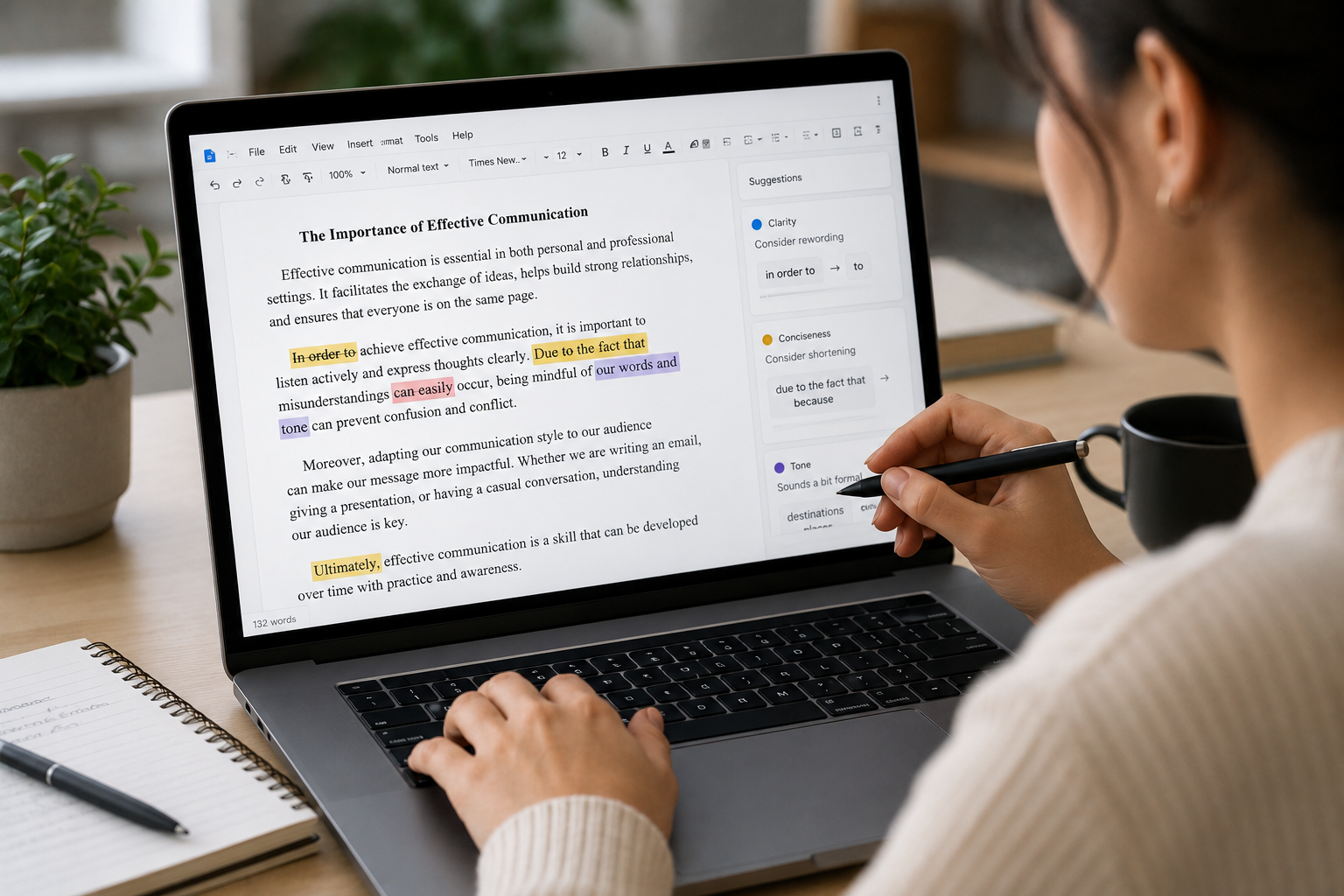
AI writing tools have become a normal part of how people draft essays, emails, reports, and blog posts. They are fast and convenient, but they share one weakness: raw AI output has a recognisable signature. It tends to read as flat, evenly paced, and slightly robotic, and the tools built to detect AI writing have become very good at spotting it. If you use AI to draft text, the real skill is turning that draft into something that reads as genuinely human. This guide explains why AI text sounds mechanical and how to fix it.
Why AI Text Reads as Robotic
Large language models write by predicting the most likely next word, which makes their output smooth but predictable. Sentences tend to come out a similar length, transitions lean on the same safe phrases, and the tone stays uniformly formal. Human writing is messier in a good way. We mix short, punchy sentences with longer ones, we make unexpected word choices, and our personality leaks through. That natural variation is exactly what AI drafts lack, and it is what both readers and detection tools pick up on.
What an AI Humanizer Does
An AI humanizer is a tool built to close that gap. It takes AI-generated text and rewrites the phrasing so it flows more naturally, varying sentence structure, removing repetitive patterns, and softening the stiff, mechanical tone while keeping your meaning intact. A tool like ResearchProspect's AI humanizer does this in seconds, which gives you a much stronger starting point than raw model output. The key is to treat the result as a draft to refine, not a finished piece, because the best results still come from a person adding the final polish.
How to Humanize Text Yourself
You can do a lot by hand, and combining manual edits with a tool gives the best results. Read the text aloud and fix anything that sounds unnatural. Vary your sentence length on purpose so the rhythm feels human. Replace generic statements with specific examples, real numbers, and your own experience, which is the one thing a model cannot fake. Cut filler phrases and safe transitions that add words without meaning. Swap a few predictable words for ones you would actually use. These small changes break the uniform pattern that makes text feel machine-made.
When Tools Are Not Enough
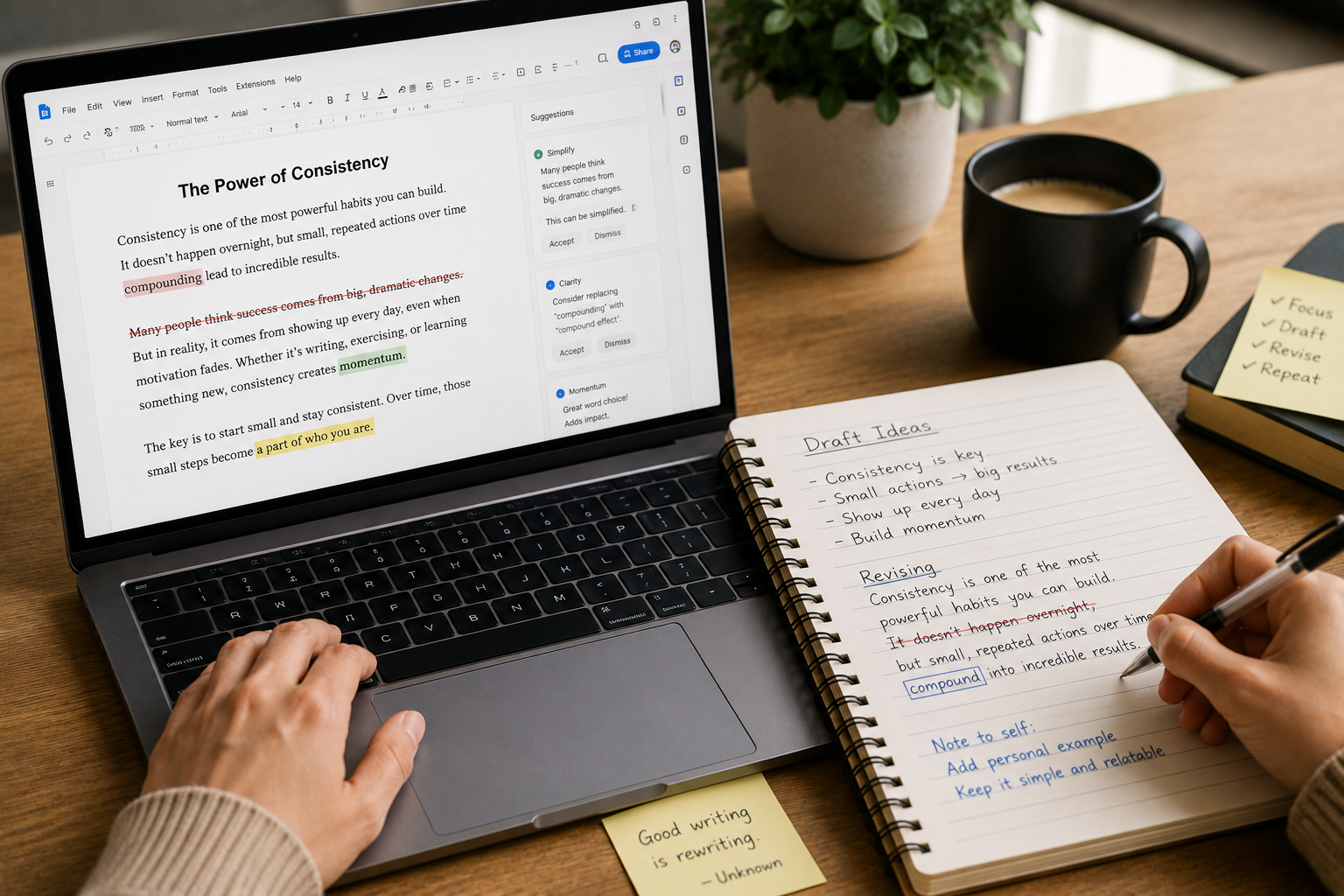
Sometimes the problem is not the phrasing but the time. Students and professionals working against a deadline often have more to write than hours to do it, and no tool fixes that on its own. For heavier academic workloads, some people pair these tools with online assignment help to manage research and structure, then use a humanizer and their own editing to make the final text read naturally. Used responsibly, as support rather than a shortcut around learning, that combination keeps quality high when time is short.
Use AI Responsibly
Humanizing AI text is not about deception. It is about making AI-assisted writing clear, original, and genuinely useful. If you are a student, follow your institution's rules on AI use. If you are publishing, make sure the final piece reflects real expertise and adds something a generic AI answer could not. The tools are assistants, and they work best when a person stays in control of the outcome.
The Bottom Line
AI can draft fast, but raw output rarely reads as human and increasingly gets flagged. The fix is not a trick, it is a process: humanize the phrasing, vary the rhythm, add your own specifics and voice, and edit with intent. Do that and your writing earns trust on its own terms, which was always the point.